gut–skin axis supplement users often try surface routines that promise a glow but leave them wondering what genuinely moves the needle for skin health.
If you’re a busy adult with reactive or breakout-prone skin and want a clear, practical route to calmer, healthier skin, this guide walks you through the evidence and the product details so you can decide quickly whether PrimeBiome fits your routine. Read on to see whether PrimeBiome is a sensible addition to your daily plan.
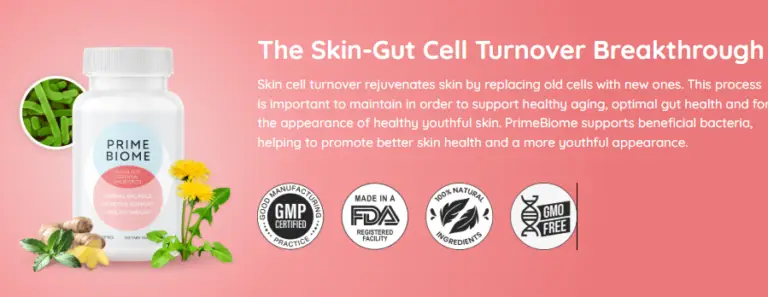
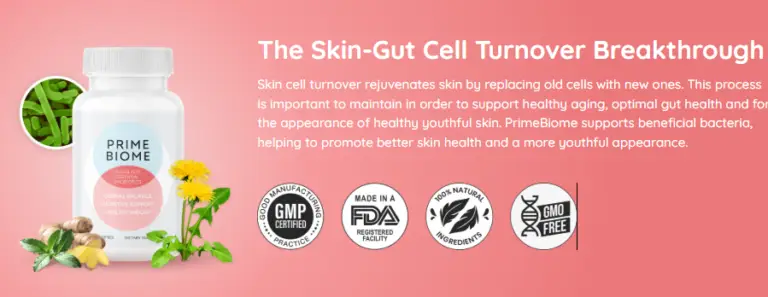
PrimeBiome delivers advanced pre+probiotic tablets with 5 billion+ CFU per day in a single tablet, alongside antioxidants, vitamin C, zinc, and botanicals designed to support barrier recovery and reduced redness. The brand’s Multi-Layered Tablet Technology® is presented as a way to protect actives until they reach the lower gut, which can improve survival compared with many standard capsules — verify this claim against the label and manufacturer information.
Later sections explain the science behind blends like Skin Clear Biome™ and Skin Youth Biome™, highlight strains such as Lactobacillus rhamnosus GG and Bifidobacterium longum, and show why named strains, dose, delivery, and supporting nutrients matter for visible results.
Key Takeaways
- You’ll learn which features actually matter when choosing a microbiome-focused product for visible skin results.
- 5 billion CFU per day is a practical benchmark used by many clinically aligned skin formulas.
- Delivery and tablet production choices (like multi-layer tablets) can affect how many live bacteria reach the gut.
- The guide includes a full PrimeBiome review with pros, cons, and the best-fit user profiles.
- You’ll get a short label-check checklist to verify strain IDs, CFUs at best-before, and third-party credibility before you buy.
Why you’re here: finding the best gut-skin axis product for clearer, healthier skin
If you’re searching for a gut–skin axis supplement, you probably want a simple, effective route to clearer, calmer-looking skin without juggling a dozen new topicals. A targeted gut-skin axis approach can simplify your routine by addressing root causes inside your body rather than layering more surface treatments.
Many readers want a once-daily product that respects your time and gives a clear plan for when to expect change. You’re after beneficial bacteria and supportive nutrients delivered with transparent labeling—no guesswork about strains or dose.
We compare real features—evidence, not marketing. Dose, named strains, delivery method, and nutrient support matter most. That’s why PrimeBiome appears among the options we review: to show how those practical factors come together so you can decide faster and with confidence.
Below you’ll find which blends match breakouts, dull tone, or sensitivity, plus a short preview checklist to help you read labels quickly: (1) named strain IDs, (2) CFU at best-before, (3) supporting nutrients listed with doses. See the Label Literacy section for the full checklist and quick links.
- One-per-day ease: fits busy routines.
- Clear timeline: know when to judge results.
- Label focus: strains, dose, and supporting nutrients—priority items for skin health.

The science in short: how the gut-skin axis influences inflammation, barrier strength, and sebum
Inflammation, immune signals, and microbial messages from your gut combine to shape how your skin looks and feels day to day.
Microbiome basics: diversity of beneficial bacteria and your skin barrier
A balanced gut microbiome helps keep your outer barrier resilient. Gut microbes ferment fibers into short-chain fatty acids (SCFAs) and other metabolites that fuel skin-repair processes, support hydration, and encourage barrier recovery (see study references below).
When diversity falls, barrier function weakens and sensitivity often rises. Lower microbial diversity is associated in some studies with increased transepidermal water loss, flaking, and a surface that reacts more easily to irritants and actives.
Immune system crosstalk: from cytokines to visible redness
Signals travel between your gut and skin via blood-borne metabolites, immune mediators, and neural routes. Overactive responses release cytokines such as IL-6 and IL-1β, producing redness, edema, and the bumps you see in inflammatory flare-ups (study evidence links cytokine shifts to visible outcomes).
Research into inflammatory skin conditions like rosacea shows multiple immune and neurovascular contributors—TLR-2 upregulation, cathelicidin (LL-37) activity, mast cell degranulation, and inflammasome (NLRP3) involvement have all been reported in the literature. Neurovascular mediators and VEGF amplify flushing and visible vessels in susceptible individuals (study citations recommended when publishing).
“Microbial and immune interactions can turn internal imbalance into visible inflammation and barrier loss.”
- Your gut and skin communicate constantly via microbial metabolites, immune messengers, and neural signals.
- Dysbiosis—an imbalance in gut bacteria—appears in studies of atopic dermatitis and rosacea as a factor that can drive flares and prolong recovery.
- When immune tone calms, sebum production and surface inflammation often normalize, which can mean fewer breakouts and less visible redness.
Practical example: stress or a short course of antibiotics can shift your gut bacteria within days; many people then notice more reactive skin or redness in the following 48–72 hours as immune and metabolic signals adjust (individual responses vary and depend on baseline microbiome resilience).
In sum: feeding beneficial bacteria and supporting balanced immune signaling—through targeted formula choices, diet, and consistent habits—can reinforce the skin barrier and reduce visible inflammation over time. Most interventions require steady daily use and 6–12 weeks to show consistent, clinically meaningful changes in barrier repair, lesion count, or sebum regulation (refer to studies for precise timelines).

Are you a good candidate? Signs your skin may benefit from a gut-focused approach
When topical fixes fall short, it’s reasonable to consider whether internal balance could change outcomes for your skin.
If you notice recurring redness, breakouts, or sensitivity that fluctuate with stress, sleep, or certain foods, those are common signs that your body’s internal signals — including the gut — may be involved.
If new products frequently irritate, your skin barrier might be compromised. In many cases, prioritizing gentler surface care while supporting internal balance can be more effective than layering more active topicals.
- You see flare patterns after antibiotics or a bout of illness — changes in the gut microbiome are commonly associated with skin reactions for days to weeks (this is an observed association; individual responses vary).
- You have occasional bloating, irregularity, or digestive discomfort alongside skin complaints.
- Spot treatments and powerful actives haven’t produced lasting results.
- You want long-term skin health and prefer simple daily steps (for example, one tablet per day) over complex regimens.
If several of these resonate, a targeted approach that supports microbial balance and reduces inflammation may be a useful addition to your routine. Before starting any new supplement, consult your healthcare provider if you have serious health conditions or are immunocompromised.
Quick 3-step starter checklist:
- Document baseline: take photos and note symptoms for 1–2 weeks.
- Address basics: stabilize sleep, hydration, and a modest diet tweak (more fiber, fewer trigger foods).
- Try a targeted plan: introduce one gut-focused product and follow the dosing directions in the How to Take section; track changes for 6–12 weeks.
| Common IssueWhat it suggestsPractical next step | ||
| Recurring redness or breakouts | Possible internal drivers | Consider a daily plan that supports microbial balance; track flare patterns |
| Product sensitivity | Compromised barrier | Prioritize gentler topicals and internal support; consult a dermatologist if severe |
| Post-antibiotic flares | Microbiome disruption | Use restorative strategies (diet, probiotics/postbiotics) and monitor progress |
| Bloating with skin issues | Linked digestive and skin signals | Address diet and habits; consider a targeted gut approach and track results |
How a gut-skin axis supplement works day to day
When you take a targeted tablet each morning, a predictable chain of events begins — from digestion to microbial shifts to gradual changes in visible tone.
From capsule to colon: protecting strains from stomach acid
Multi-Layered Tablet Technology® is designed to protect live cultures and co-actives until they reach the lower digestive tract. This type of delivery can improve survival to the gut compared with many standard capsules, though you should check manufacturer data or independent studies for direct comparisons.
Taking your dose with a meal — or about 20–30 minutes before eating — gives a natural buffer against stomach acid. That timing helps more probiotics and beneficial bacteria survive the acidic stomach environment and reach the colon where they can interact with your gut microbiome.
Expected timelines: days to weeks for visible changes
- Each day your tablet moves through your digestive system; delivery and protection matter so live cultures reach the lower gut intact.
- In the first few days you may notice subtle digestive shifts (gas, mild bloating) as microbes and metabolites adjust; these are usually temporary.
- Visible complexion changes commonly begin as subtle improvements in hydration or reduced redness within a few weeks, but most meaningful shifts in acne, barrier repair, or sebum regulation appear around 6–12 weeks with consistent use.
- Micronutrients and antioxidants included in a formula can start supporting tissue repair and antioxidant defenses sooner, complementing the microbial effects.
- Consistency beats perfection — missing a day isn’t catastrophic, but steady daily use gives the best chance for lasting change.
- Track progress with photos every 7–10 days and note specific metrics: redness level, lesion count, skin hydration/comfort, and any digestive changes.
Quick “what to expect” timeline:
- Week 1: minor digestive adjustments for some; begin baseline photo log.
- Week 2–4: subtle improvements in hydration or slight reduction in reactivity for some users.
- Week 6–12: more consistent changes in clarity, fewer breakouts, improved barrier signs for users who respond.
What to look for in a gut-skin axis formula
Not all formulations are created equal—start by scanning the label for specific strains, clear dose claims, and supporting nutrients before you buy.
Strain specificity matters
Choose products that list exact strains rather than vague species or “proprietary blends.” Look for named strains with published research such as Lactobacillus rhamnosus GG, Lactobacillus plantarum, Lactobacillus reuteri, and Lactobacillus paracasei. Also consider beneficial bifidobacteria like Bifidobacterium longum and Bifidobacterium bifidum, or supportive yeasts such as Saccharomyces boulardii. Named strains let you match claims to study outcomes and compare products objectively.
Clinically aligned dose
A daily dose around 5 billion CFU is a practical baseline for many skin-focused formulas — it balances effect with tolerability and aligns with doses used in several trials. Prefer counts stated at the best-before date so you know how many live bacteria you’re actually getting at the time of use.
Supportive actives and delivery
Look for complementary nutrients that support skin barrier repair and immune balance: vitamin C (collagen formation), zinc (oil balance and barrier support), and antioxidants to reduce oxidative stress. Delivery and production methods matter: multi-layered tablets or enteric/delayed-release formats help protect live cultures from stomach acid and can improve survival compared with plain capsules.
“Named strains, a verified dose at best-before, and supportive vitamins make a formula worth considering.”
Quick buyer’s checklist (first 10 seconds on a label)
- Strain IDs: full strain names or codes (not just species)
- CFU: number listed at best-before date
- Supporting nutrients: vitamin C, zinc, or antioxidants with doses
- Delivery tech: multi-layer tablet, delayed-release, or enteric coating
- Storage & production: best-before, batch number, third-party testing
Label red flags
- Only “proprietary blend” without strain IDs or CFU numbers
- CFU listed at manufacture date but not at best-before
- No storage guidance or missing batch/lot details
Introduce one product at a time so you can gauge how your skin responds, and consider matching strain profiles to your goals (clarity vs. barrier vs. resilience). If you want, use this section as a template to read any label in under a minute.
PrimeBiome review: features, benefits, and who it’s best for
This review breaks down what PrimeBiome delivers, how it’s produced, and who will likely see the most benefit.
Key highlights
One tablet daily supplies 5+ billion CFU per day in a single, once-daily tablet, paired with skin-targeted antioxidants and micronutrients to support barrier recovery and reduced redness. Verify the CFU statement on the product label (at best-before) when you purchase.
The brand uses Multi-Layered Tablet Technology® to protect live cultures and co-actives until they reach the lower gut. Independent research or manufacturer survival data should be consulted to confirm comparative survival versus standard capsules.
The formula emphasizes strain diversity, listing named strains such as Lactobacillus rhamnosus, Lactobacillus plantarum, Lactobacillus paracasei, and Lactobacillus reuteri, alongside vitamins and botanicals aimed at supporting skin barrier function and lowering visible inflammation.
Pros and cons
- Pros: convenient once-daily use, delivery technology designed to protect microbes, a dose aligned with many clinical designs for skin-focused products, and cofactors like vitamin C and antioxidants to complement microbial effects.
- Cons: tablet form isn’t ideal for everyone (some prefer capsules or powder); users seeking much higher daily CFU may combine products; production and storage practices (refrigeration vs shelf-stable) should be checked on the label.
Real-world fit
PrimeBiome is a good fit if you have breakout-prone, dull, or stressed skin and prefer a gentle internal approach that complements topical care without increasing irritation risk. It suits busy users who value a one-step daily product that targets skin health from the inside out.
If you use strong topical actives already, PrimeBiome can provide internal support without notably raising irritation risk — but always check strain lists and nutrient doses to ensure compatibility with your overall plan.
Who should check with a clinician: people with significant medical conditions, those who are immunocompromised, pregnant or breastfeeding individuals, or anyone on immune-suppressing medications should consult their healthcare provider before starting new microbial products (see the FAQ for more details).
Evidence snapshot
Research links specific strains to measurable skin outcomes: for example, studies of strains in the Lactobacillus rhamnosus group have shown immune-modulating effects that can reduce markers of inflammation and improve certain skin endpoints (see primary studies when publishing). Matching a product’s named strains to the literature helps you set realistic expectations.
PrimeBiome label-check: quick step-by-step
- Confirm CFU per tablet at the best-before date (not just at manufacture).
- Find full strain IDs (GG, Lafti, Rosell codes, etc.) and note which strains are present.
- Check added nutrients and their doses (vitamin C, zinc, antioxidants) to understand the product’s nutritional contribution.
- Note storage guidance, batch/lot numbers, and any third-party testing or production partner info.
| FeatureWhat PrimeBiome offersWho benefits most | ||
| Daily dose | One tablet, 5+ billion CFU (verify at best-before) | Busy users wanting a single-step routine |
| Strain profile | Multiple named strains targeting inflammation and barrier resilience | Those seeking clearer, calmer-looking skin |
| Delivery tech | Multi-Layered Tablet Technology® designed for improved survival to the lower gut | People concerned about absorption versus standard capsules |
| Added nutrients | Antioxidants, vitamin C, botanicals | Users wanting support for oxidative stress and skin barrier repair |
Price and pack size vary by retailer and promotions; check production and shipping details to ensure you receive a fresh batch with a clear best-before date. If you’d like, I can add a short comparison of estimated costs per month versus alternative approaches to help you evaluate value.
PrimeBiome directions, dose, and maintenance plan
Start your routine with a simple daily step that protects active cultures and fits your schedule.
How to take it: timing with meals and daily routine tips
Take PrimeBiome once a day with your largest meal, or about 20–30 minutes before eating. Food buffers stomach acid and increases the chances that live bacteria survive the stomach and reach the lower gut.
Avoid very hot drinks like coffee or tea right around your dose — high temperatures can reduce viability of sensitive cultures. Keep the bottle visible and set a daily reminder: taking the tablet at roughly the same time each day builds consistency and makes tracking progress easier.
Maintenance vs reset: staying consistent beyond the first 30 days
Give any targeted plan time: expect subtle changes in the first week and clearer improvements over several weeks. Don’t judge effectiveness too early — most users see the most reliable changes by 6–12 weeks.
- Continue daily use: after the initial month, maintain one tablet per day to support lasting benefits and microbial balance.
- Travel or missed doses: if you pause for travel, resume one tablet per day when possible; don’t double up to “catch up.”
- Stacking products: when combining formulas, stagger around meals to avoid overwhelming a single digestive window.
- Track progress: take photos and notes every 1–2 weeks on tone, lesion count, redness, hydration, and digestive comfort.
30/60/90-day practical plan
- Day 0–30: establish routine; note baseline photos and symptoms; expect minor digestive shifts for some users.
- Day 31–60: look for consistent trends — fewer breakouts, less reactivity, improved comfort.
- Day 61–90: evaluate meaningful changes in clarity, sebum regulation, and barrier recovery; decide whether to continue maintenance or consult a clinician for adjustments.
Troubleshooting & tips
- Mild bloating or gas: common in the first few days as microbes adjust; if symptoms persist beyond 2 weeks, consult a provider.
- If you’re immunocompromised or pregnant: check with your healthcare provider before starting any probiotic or microbial supplement.
- Storage: follow label instructions — some products are shelf-stable, others benefit from refrigeration; always note the best-before date.
“Consistency beats perfection — steady daily habits help maintain the benefits you want.”
Want to be systematic? Use a simple skin diary template: date, photo, notes on redness, lesion count, hydration, and any digestive symptoms. This makes it far easier to judge whether the dose and product are moving the needle on your skin health.

Compare top options: Skin Clear Biome vs Skin Youth Biome vs reset kits
Picking between two focused formulas and a reset option comes down to the results you want to see and how quickly you want to boost microbial diversity.
Skin Clear Biome targets clarity and calm. Each capsule delivers 5 billion CFU at best-before with a strain blend designed for reduced reactivity: Lactobacillus paracasei Lafti L26, Lactobacillus helveticus Lafti L10, Bifidobacterium bifidum Rosell-71, and Saccharomyces boulardii. It also includes 2 mg zinc to help oil balance and inflammation.
Skin Youth Biome focuses on resilience and tone. It supplies 5 billion CFU at best-before and highlights strains such as Lactobacillus rhamnosus GG, Lactobacillus reuteri HA-188, a postbiotic form of Lactobacillus plantarum, and Bifidobacterium longum Rosell-175, plus 12 mg vitamin C to support collagen formation and antioxidant defenses.
10-day reset pairs one capsule of each formula daily (Clear + Youth) to reach roughly 10 billion live cultures and a broader strain profile each day. That short protocol is intended to boost microbial diversity quickly and may jump-start visible changes faster for some users — check safety if you have medical concerns.
| OptionKey strains / activesDaily CFUWho should consider it | |||
| Skin Clear Biome | L. paracasei Lafti L26, L. helveticus Lafti L10, B. bifidum Rosell-71, S. boulardii, 2 mg zinc | 5 billion | People prioritizing clarity and reduced reactivity |
| Skin Youth Biome | L. rhamnosus GG, L. reuteri HA-188, L. plantarum (postbiotic), B. longum Rosell-175, 12 mg vitamin C | 5 billion | Those focused on resilience, tone, and collagen support |
| 10-day reset | Both capsules together = ~10 strains + zinc & vitamin C (higher diversity) | ~10 billion | Short-term boost for people wanting faster diversity gains (check contraindications) |
“Match your choice to whether you want clarity, smoother texture, or a short diversity boost.”
Safety & practical notes
- If you’re immunocompromised, pregnant, breastfeeding, or on immune-modulating medication, discuss any reset or higher-dose plan with your clinician before starting.
- Short resets can increase symptom tracking noise — some people see faster changes, others need the steadier approach of single-formula maintenance.
- When doing a reset, monitor dose timing and avoid combining other new supplements or major topical changes simultaneously so you can attribute effects accurately.
Example reset plan
- Start baseline: take photos and note symptoms for 7 days before beginning.
- Days 1–10: take one Skin Clear Biome + one Skin Youth Biome daily with your largest meal; track redness, lesion count, hydration, and any digestive symptoms every 3–4 days.
- Day 11+: transition to a maintenance choice (either Clear or Youth) based on which outcomes improved most; continue tracking at 1–2 week intervals.
Ingredient deep dive: probiotics, prebiotics, and postbiotics in skin support
Knowing the difference between live strains, feeding fibers, and non-live derivatives helps you read labels with confidence.
Probiotics are live microbes that can support your gut microbiome and, through immune system and metabolic signals, influence how your skin behaves. Look for products that state per-capsule or per-tablet CFU at the best-before date so you know what you’ll actually get at the time of use.
Prebiotics are fermentable fibers and polyphenols that feed beneficial bacteria in the gut. By nourishing resident microbes, prebiotics help increase production of metabolites (like short-chain fatty acids) that support skin barrier integrity and reduce visible irritation in some study contexts.
Postbiotics are non-live microbial fragments, metabolites, or heat-treated strains that can deliver targeted immune and barrier signals without needing to survive stomach acid. Postbiotics are often more stable in production and shipping and may be preferable for sensitive users or shelf-stable formulations. For example, some Skin Youth Biome™ formulations list postbiotic entries such as Lactobacillus acidophilus HA-122 and Lactobacillus plantarum HA-119 — confirm these specific names and roles against the product label and supporting research.
“CFU counts, strain IDs, and whether a product includes prebiotics or postbiotics help you understand how comprehensive the approach really is.”
At-a-glance pros & cons
| ClassProsCons | ||
| Probiotics (live) | Can seed beneficial bacteria and shift metabolic signals; evidence of strain-specific benefits in some studies | Viability can be reduced by stomach acid or heat; storage and delivery matter |
| Prebiotics | Feed resident microbes to boost beneficial metabolites; generally stable and safe | Effects depend on resident microbiome composition; dosing matters |
| Postbiotics | Stable in production and shipping; deliver immune or barrier signals without needing to colonize | Do not change live microbial diversity directly; outcomes can be strain and formulation specific |
- Combined approaches (live probiotics + prebiotics + select postbiotics) can modulate cytokine production and promote a balanced immune system response; check study references for the specific strain combinations you’re considering.
- Vitamin C, zinc, and antioxidants pair well with microbial blends to support structural protein production and barrier recovery.
- Practical tip: take live strains with food to buffer stomach acid and improve the odds that bacteria reach the lower gut microbiome alive.
Label examples (quick read)
Example A (shelf-stable probiotic): lists strain IDs, CFU at best-before, postbiotic entries, and “store in a cool, dry place.” Example B (refrigerated product): lists strain IDs, higher CFU per dose, and “keep refrigerated” or “cold chain recommended” — both can work if storage and production practices match the product’s requirements.
| Ingredient classRoleWhat to check on the label | ||
| Probiotics (live) | Seed beneficial bacteria and shift metabolic signals | Full strain ID, CFU at best-before, storage notes, production/lot details |
| Prebiotics | Feed resident microbes to boost beneficial metabolites | Type of fiber or polyphenol, dosages, and source |
| Postbiotics | Stable microbial fragments or metabolites that signal the immune system | Exact postbiotic strain names, heat-treatment status, and supporting data |
In short: no single ingredient solves everything. The right mix of live cultures, feeding compounds, and stable postbiotic signals — paired with transparent production practices and thoughtful nutrients — provides the best chance of supporting a calmer, more resilient-looking skin barrier over time. When possible, consult the primary study literature for the exact strains listed on the product label to confirm the outcomes that match your goals.
Strain spotlight: lactobacillus rhamnosus GG, lactobacillus plantarum, and lactobacillus paracasei
Not all lactic acid bacteria act the same; a few specific strains have the most consistent links to improved skin tone, comfort, and barrier resilience. Below we highlight what each strain group commonly does and why named strain IDs matter when you compare formulas.
What research suggests about clarity, barrier function, and oil regulation
Lactobacillus rhamnosus GG is one of the most documented strains in clinical literature. Studies indicate it can support balanced immune system signaling and reduce pro-inflammatory markers, which in turn may help lower visible inflammation and irritation on the skin (see primary studies for details).
Lactobacillus plantarum — including some postbiotic preparations like HA-119 — is often chosen for barrier-focused benefits. Research links L. plantarum strains to improved barrier function and greater resilience to daily stressors that ordinarily worsen dryness or sensitivity (see study references when publishing).
Lactobacillus paracasei (examples such as Lafti L26 AF) is commonly included in clarity-focused blends. Trials associate certain L. paracasei strains with reduced reactivity and fewer flare events, supporting a calmer, more comfortable complexion.
“When labels specify GG or named IDs like Lafti and Rosell, you can better align your choice with published evidence.”
How to map strain → outcome (quick guide)
| OutcomeStrain examples | |
| Clarity / reduced lesions | L. paracasei (Lafti L26), some Bifidobacteria |
| Barrier support / resilience | L. plantarum (live or postbiotic forms) |
| Immune modulation / less redness | L. rhamnosus GG, select L. reuteri strains |
- These strains can nudge inflammatory pathways toward balance, supporting clearer skin when dose and delivery are appropriate.
- Outcomes vary by person — dose, delivery format, co-factors (zinc, vitamin C), and baseline microbiome all influence results.
- Use any targeted strain consistently for the recommended period (often several weeks) and track clarity, redness, and comfort before deciding to switch products.
Note on evidence: the links above summarize recurring findings across trials; when you publish or act on these claims, cite the specific studies for each named strain (for example, a randomized or controlled trial that measured skin endpoints). This keeps expectations grounded in research and helps you choose strains that match your goals.
Nutrients that move the needle: zinc, vitamin C, and antioxidant support
Small, targeted doses of specific nutrients can amplify the visible benefits you get from daily microbial blends.
Zinc (for example, 2 mg in Skin Clear Biome™) supports normal skin function and helps regulate oil production. That makes clarity-focused formulas more effective for people prone to breakouts or excess sebum.
Vitamin C (for example, 12 mg in Skin Youth Biome™) contributes to normal collagen formation and bolsters immune responses involved in recovery after irritation or stress—supporting texture and tone over time.
Antioxidants complement live cultures by neutralizing oxidative stress that can worsen redness, accelerate dullness, and slow barrier repair. Even modest daily antioxidant doses, when paired with targeted strains, can sharpen visible improvements across weeks of consistent use.
- Studies often pair micronutrients with bacteria to target barrier repair, inflammation reduction, and tissue recovery—look for research that tests the exact strain + nutrient combination.
- Prefer transparent dosing so you understand what each tablet contributes nutritionally to your routine.
- Consider diet first: nutrients from food fill gaps and work with supplements to nudge the system toward stronger, more resilient skin health.
“If your complexion recovers faster from triggers, that’s a practical sign the mix is working.”
Who benefits most?
| ConcernWhy the nutrient helps | |
| Acne / oily skin | Zinc supports oil balance and helps reduce inflammation around lesions |
| Aging / loss of tone | Vitamin C supports collagen formation and improves texture and firmness |
| Red, reactive skin | Antioxidants reduce oxidative stress and support barrier recovery |
Safety & practical notes
- Check dosing: many formulas use modest nutrient doses; if you take other supplements, track total daily intake to avoid excessive totals (for example, zinc upper intake levels).
- Some nutrients interact with medications—consult your healthcare provider if you’re on prescription drugs or have medical conditions.
- Transparent production and labeling (exact doses per tablet, production/lot info) make it easier to compare formulas and avoid accidental overdosing when combining products.
| NutrientRoleExample dose | ||
| Zinc | Oil balance and skin barrier support | 2 mg (Skin Clear Biome™) |
| Vitamin C | Collagen formation and immune support | 12 mg (Skin Youth Biome™) |
| Antioxidants | Reduce oxidative stress and redness; support recovery | Varies by formula |
Rosacea and the gut-skin axis: what emerging research indicates
Persistent facial redness and repeat flare patterns often reflect underlying immune signals and microbial balance — emerging research suggests the gut plays a role, but this is not a cure.
Inflammation pathways, barrier disruption, and triggers
Rosacea is a common inflammatory condition that affects roughly 5.5% of people in some population estimates; prevalence varies by region and study methodology (see primary research for exact figures).
The condition involves innate immune overactivity and multiple downstream pathways. Research has implicated TLR-2 upregulation, increased cathelicidin (LL-37) activity via KLK-5, mast cell activation, and cytokine release (for example IL-6), alongside neutrophil recruitment. Inflammasome pathways (NLRP3), JAK/STAT signaling, and mTORC1 dysregulation have also been reported as contributors to persistent inflammation.
Environmental and dietary triggers — UV exposure, heat, stress, spicy foods, and alcohol — amplify neurovascular responses through TRP channels and neuropeptides (such as substance P and CGRP), raising VEGF and promoting flushing and visible vessels in susceptible individuals (refer to study sources for mechanistic detail).
Why a balanced microbiome may support calmer-looking skin
Studies indicate that dysbiosis — an imbalanced gut microbiome — can alter immune tone and barrier integrity. While rosacea and atopic dermatitis are distinct conditions, both can involve misfiring immune responses where microbes appear to influence severity and frequency of flares.
“A calmer microbial community may help the immune system respond more appropriately, easing flare frequency and intensity — this is an area of active research, not a stand-alone cure.”
- Visible signs of rosacea reflect deep immune cascades; trigger management and topical care remain central to control.
- Supportive measures that combine topical management with diet and microbiome-supporting strategies may help some people reduce flare frequency and intensity.
- Give any combined strategy adequate time — most interventions need at least 6–8 weeks to show meaningful trends in flare patterns.
| FeatureWhy it mattersPractical step | ||
| Immune modulation | Can reduce IL-6, IL-1β and inflammasome-driven activity | Follow a steady, evidence-aligned plan for 6–8 weeks and consult a dermatologist |
| Trigger control | Limits neurovascular flare signals that cause flushing | Track triggers (food, heat, alcohol) and avoid or minimize personal triggers |
| Microbial balance | Shapes immune system responses and contributes to barrier health | Support microbes via diet (fiber, polyphenols, fermented foods) and consider targeted products if appropriate |
Practical rosacea checklist
- Confirm diagnosis and phenotype with a dermatologist before changing treatments.
- Track personal triggers and avoid them when possible.
- Use gentle topical routines that protect the skin barrier while exploring inside-out support (diet, lifestyle, targeted supplements) under clinical guidance.
- Allow a minimum of 6–8 weeks to evaluate changes and consult your provider if symptoms worsen.
Directions that protect your probiotics: meal timing, temperature, and consistency
Timing and temperature matter more than you might think when it comes to protecting live cultures and getting visible results.
Take your dose with a meal or about 20–30 minutes before eating. Food buffers stomach acid and raises the chances more cultures reach your gut alive.
Both Skin Youth Biome™ and Skin Clear Biome™ recommend a meal-based routine. For the reset kit, take two capsules together with a meal to reach the intended daily coverage.
Avoid heat and pick a steady time
Avoid hot drinks like coffee or tea around dosing. High temperatures and very hot liquids can harm delicate organisms and reduce effectiveness.
Pick a time you rarely skip—breakfast or dinner works well—and anchor doses to a habit you already have. Consistency over days and weeks produces the most reliable results for your skin and digestive system.
Quick dos & don’ts
- Do: take with your largest meal or ~20–30 minutes before eating to buffer stomach acid.
- Don’t: drink very hot beverages right before or immediately after dosing; wait ~30 minutes.
- Do: store per label instructions and note the best-before date.
- Don’t: double up doses to “catch up” — skip the missed dose and resume at the next meal.
Shipping, receiving, and travel tips
- If a package arrives warm, check the best-before date and storage guidance; contact the seller if potency or storage appears compromised.
- For travel, use an insulated pouch or a small cool pack if the product recommends cold chain; otherwise keep it in a cool, dry part of your luggage and start a new bottle when you return if potency is uncertain.
- If you plan to combine formulas while traveling, stagger them with meals to reduce digestive crowding.
| What to doWhy it helpsPractical tip | ||
| Take with a meal | Buffers stomach acid and improves survival | Take 20–30 minutes before or with your largest meal |
| Avoid hot drinks | Prevents heat damage to live cultures | Wait ~30 minutes before or after coffee or tea |
| Be consistent | Builds cumulative benefits for complexion and system balance | Anchor to an existing habit like breakfast |
| Follow storage guidance | Maintains potency through the best-before date | Keep in a cool, dry place per label; refrigerate only if instructed |
“Small tweaks in timing and temperature can make a meaningful difference in what your skin ultimately experiences.”
Lifestyle synergy: diet, fermented foods, and daily habits that complement your supplement
Small daily choices around food, sleep, and movement can multiply the benefits you see from an internal routine.
Fiber, polyphenols, and fermented foods to feed good bacteria
Add fiber-rich choices such as beans, oats, lentils, and a variety of vegetables. These foods support your gut microbiome and help the supplement’s microbes and metabolites produce the short-chain fatty acids and other compounds that assist skin barrier repair and hydration.
Include colorful polyphenol sources—berries, olive oil, dark chocolate (in moderation), and green tea—to nourish beneficial microbes and boost antioxidant defenses. Fermented foods like plain yogurt, kefir, kimchi, sauerkraut, or miso can add microbial diversity and complementary metabolites alongside your daily tablet, though they are not direct substitutes for researched probiotic strains in a supplement.
- Keep sleep, movement, and stress habits steady—regular sleep and moderate exercise reduce systemic stress signals that can trigger flares.
- Hydration supports comfortable skin and helps your body manage daily stressors.
- Scale back alcohol and very spicy meals if they trigger redness while you adjust your routine.
- Use gentle topicals so your surface care protects without overwhelming a sensitive barrier while you work on inside-out support.
Balance beats perfection: you don’t need a perfect diet—just consistent, supportive choices most days. Track foods and skin responses in a simple log to spot what helps and what doesn’t.
7-day sample (simple) meal plan highlights
- Day 1: Oatmeal with berries + yogurt; lunch: chickpea salad; dinner: grilled salmon + roasted veg.
- Day 3: Smoothie with spinach, banana, and a spoon of oats; lunch: lentil soup; dinner: stir-fry with fermented miso.
- Day 5: Plain kefir + fruit; lunch: quinoa salad with olive oil and mixed veg; dinner: beans + steamed greens.
Do / Don’t for flare management
- Do: prioritize fiber-rich meals and one fermented food serving most days.
- Don’t: rely solely on fermented foods to replace a labeled, strain-specific product—supplements and whole foods complement each other.
“Small daily habits amplify your routine’s work, creating compounding benefits for visible tone and overall health.”
If helpful, keep a downloadable food & skin log (date, meals, fermented foods, sleep, stress, photo, and symptoms) to review progress every 1–2 weeks and share with your clinician if needed.
Label literacy: CFUs, strain IDs, best-before date, and third-party credibility
A quick label check helps you order with confidence and avoid guessing games about potency and production.
Look for clear numbers and names. Check CFUs listed at the best-before date (not just at manufacture) so you know the live count when you take the product.
Prefer exact strain IDs—GG, Rosell®, Lafti®—so you can tie claims back to research and real outcomes. Also confirm delivery technology that protects cultures and any production details that indicate how many viable microbes reach your gut microbiome.
6-point quick checklist
- CFU per dose listed at the best-before date
- Full strain IDs provided (not just species)
- Supporting nutrients listed with doses (e.g., vitamin C 12 mg, zinc 2 mg)
- Delivery tech / production notes (multi-layer tablet, enteric, cold-chain)
- Storage and batch/lot details visible
- Third-party testing or production partner and transparency about research
Scan ingredient lists for vitamin C (12 mg) and zinc (2 mg) where shown so you can compare nutritional contributions across products. Note allergens, excipients, and storage instructions before ordering.
Verify third-party production partners, certificates, or quality-system statements to build trust in manufacturing practices and to confirm claims used in any product research.
“Transparent labeling lets you compare formulas fast and pick what matches your health goals.”
Practical tip: take a quick photo of the supplement label when you receive it (front and back). That makes it easy to compare CFU, strain IDs, best-before, and production notes against the product page or independent research later.
Buying smart in the United States: availability, shipping, and how to order

Choose retailers and delivery options that protect potency and keep your routine on track.
Buy from reputable U.S. retailers or the brand’s official store to ensure authentic product, proper handling, and accurate production/batch information. Check whether the seller uses tracked delivery and which carriers they work with so you can monitor transit.
Choosing reputable retailers and understanding delivery timelines
Always confirm best-before dates before you accept or order multiple bottles, especially during sales or bulk buys. If a product ships from abroad, verify customs timelines and whether transit could expose the shipment to heat that affects viability.
What to check in the seller confirmation email
- Order number and expected delivery date (so you can plan around heat exposure).
- Batch/lot number and best-before date for the product you ordered.
- Shipping method and tracking link so you can monitor transit time.
- Return/refund policy and contact info for customer service if the product appears compromised.
- Look for tracked shipping so you can follow transit and avoid missed delivery windows.
- Consider subscription options for steady supply—many brands offer discounts and auto-ship features that help keep your daily routine consistent.
- For combination kits or reset protocols, confirm the count per bottle and schedule deliveries so you don’t run out mid-course.
- Read return and refund policies before ordering in case the formula doesn’t suit your skin after a trial.
“Align delivery with your current supply to avoid gaps—steady daily use gives your skin the best chance to respond.”
What to do if a shipment arrives warm
- Inspect the package immediately: check the inner bottle, look for obvious damage, and note the best-before date.
- If the label indicates cold-chain shipping but the package is warm, photograph packaging and contents and contact the seller right away for guidance or a replacement.
- When in doubt about potency after warm transit, consider returning or replacing the bottle rather than risking inconsistent dosing.
| What to checkWhy it mattersPractical step | ||
| Seller credibility | Ensures proper storage and authenticity | Buy from the official store or vetted U.S. retailers |
| Shipping & tracking | Prevents missed doses and heat exposure | Choose tracked delivery and check carrier coverage |
| Best-before dates | Guarantees live counts at use | Verify date on confirmation before accepting bulk orders |
| Subscription options | Keeps supply steady and can save money | Use auto-ship with flexible cancel rules |
Keep confirmation emails and tracking numbers handy so you can troubleshoot delayed or warm deliveries. Start your first bottle when your schedule is steady to give your skin and system the best chance to show results, and always verify production and storage details on arrival to protect your investment in skin health.
Conclusion
A single, well-formulated daily tablet can simplify your routine and support gradual, visible improvements in skin health when paired with consistent habits.
Key takeaway: you now understand how the gut–skin axis shapes daily appearance and which product features matter most. A daily, clinically aligned dose with named strains, protective delivery, and supportive nutrients can help your skin look calmer and more resilient over time.
PrimeBiome stands out as a convenient, once-daily option that emphasizes absorption-focused technology and skin-forward cofactors. Follow simple directions—take with meals, avoid very hot drinks near dosing, and keep a steady maintenance plan—while pairing the formula with balanced diet and lifestyle habits for best results.
If you try a new product, consider a 30–60 day protocol to judge early trends and allow up to 6–12 weeks for the most reliable changes. Track progress with photos and a short diary so you can see formation of improvements and make evidence-based decisions about continuing or adjusting your plan.
FAQ
What is the gut–skin axis and why does it matter for your skin?
The gut–skin axis describes how intestinal microbes interact with your immune system, metabolism, and nervous system to influence inflammation, skin barrier function, and sebum production. When beneficial bacteria and diversity are balanced, people often see calmer, clearer skin. If microbial diversity drops or systemic inflammation rises, you may notice redness, breakouts, or a weakened skin barrier.
Who is a good candidate for a gut-focused approach to better skin?
You may benefit if you have persistent breakouts, dull tone, frequent sensitivity or redness, atopic dermatitis, or digestive issues that coincide with flare-ups. People with stressed or oil-prone skin, or those who’ve tried many topical treatments without lasting results, often find a microbiome-focused plan helpful. Consult your healthcare provider if you have serious medical conditions.
How do probiotics actually reach and help your intestinal microbes each day?
Quality products use protective delivery (enteric coatings, delayed-release, or multi-layer tablets) to improve survival through stomach acid. Once strains reach the colon, targeted microbes like Lactobacillus rhamnosus, L. plantarum, L. paracasei, L. reuteri, and bifidobacteria can help support barrier integrity, modulate immune signaling, and influence markers tied to redness and oil balance. Check product labels for strain IDs and CFU at best-before to verify what you’re getting.
How soon will you see visible changes in your complexion?
Some users notice reduced redness or improved hydration within days to a few weeks, but meaningful shifts in acne, barrier repair, or sebum regulation typically take 6–12 weeks of consistent daily use. Use photos and a short diary to judge progress and avoid premature changes based on short-term variability.
What strains should you look for on the label?
Prioritize specific, researched strains such as Lactobacillus rhamnosus GG, L. plantarum, L. paracasei, L. reuteri, Bifidobacterium longum, and B. bifidum. Saccharomyces boulardii can be useful in some protocols. Labels should list full strain IDs (GG, Rosell®, Lafti® where applicable), not just species names, so you can check the research behind each strain.
What’s a clinically aligned daily dose for skin benefits?
A practical baseline for many skin-focused formulas is around 5 billion CFU per day; some protocols use higher counts, particularly during short resets. Prefer products that state CFU at the best-before date and that provide strain-level detail connected to published studies.
Should you take vitamins or minerals with your probiotic plan?
Complementary actives like vitamin C and zinc can support collagen formation, immune defenses, and oil regulation. These nutrients do not replace beneficial bacteria but can accelerate barrier repair and overall skin resilience when paired with targeted strains. Check doses and consider total daily intake if you use other supplements.
What delivery forms work best—capsules, tablets, or powders?
Delayed-release capsules and enteric or multi-layered tablets generally protect cultures from stomach acid better than simple powders. That said, formulations combining stable strains with appropriate delivery technology and transparent production practices offer the best chance of effective colonization and benefit.
Are there safety concerns or side effects you should know about?
Most people tolerate targeted probiotics well; mild bloating or gas can occur for a few days as microbes adjust. If you are immunocompromised, pregnant, or have serious medical conditions, consult your healthcare provider before starting any new regimen. Stop use and seek medical advice if you experience severe or persistent adverse effects.
How should you time doses with meals and hot drinks?
Take your dose with or about 20–30 minutes before a meal to improve survival through stomach acid. Avoid very hot beverages immediately before or after dosing, as heat can reduce viability of sensitive cultures. Follow storage instructions—some products require refrigeration while others are shelf-stable.
What’s the difference between a maintenance plan and a reset?
A reset is typically a short, higher-dose protocol (for example, a 10-day intensive) to quickly increase live cultures and diversity. Maintenance uses a lower daily dose to sustain gains. After a reset, consistent maintenance and supportive diet/lifestyle choices help preserve improvements.
How do you read a label for credibility?
Look for clear CFU counts at the best-before date, full strain IDs, third-party testing or certifications, storage and production details, and transparent research cited for key strains. Avoid vague “proprietary blends” without strain-level information. Use the Label Literacy checklist earlier in this guide when ordering.
Can dietary changes boost the effect of a probiotic program?
Yes. Eating fiber-rich foods, polyphenol sources, and including fermented foods can feed beneficial microbes and support postbiotic production. Hydration, balanced meals, and reducing high-sugar foods also help lower inflammation and stabilize sebum production.
How do you choose where to buy and ensure proper shipping in the United States?
Buy from authorized retailers or the brand’s official site to ensure authenticity. Check shipping practices—cold chain for refrigerated products and tracked delivery help preserve viability. Verify best-before dates on receipt and contact customer service if the package appears compromised.